Slovakia Hosts International EuroHealthNet Visit: Experts Discuss Health Promotion and Disease Prevention
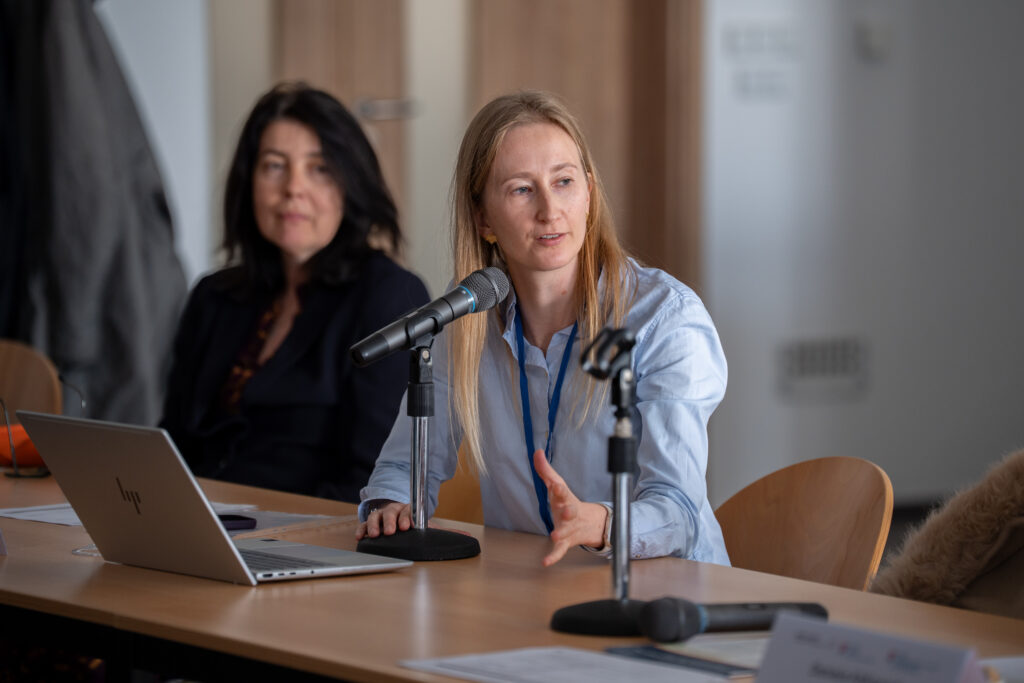
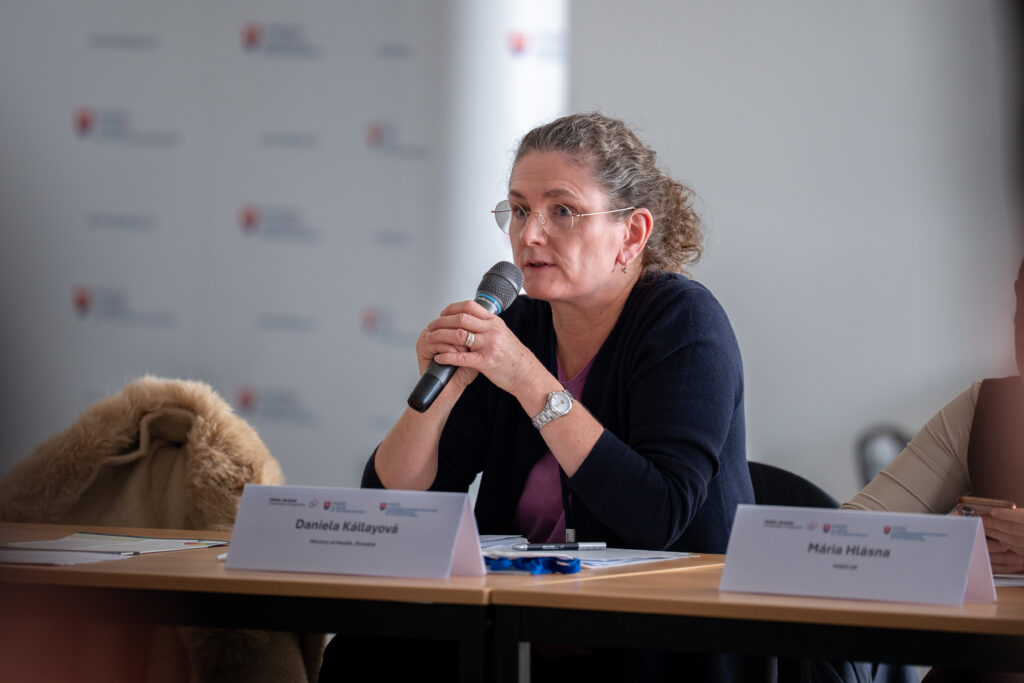
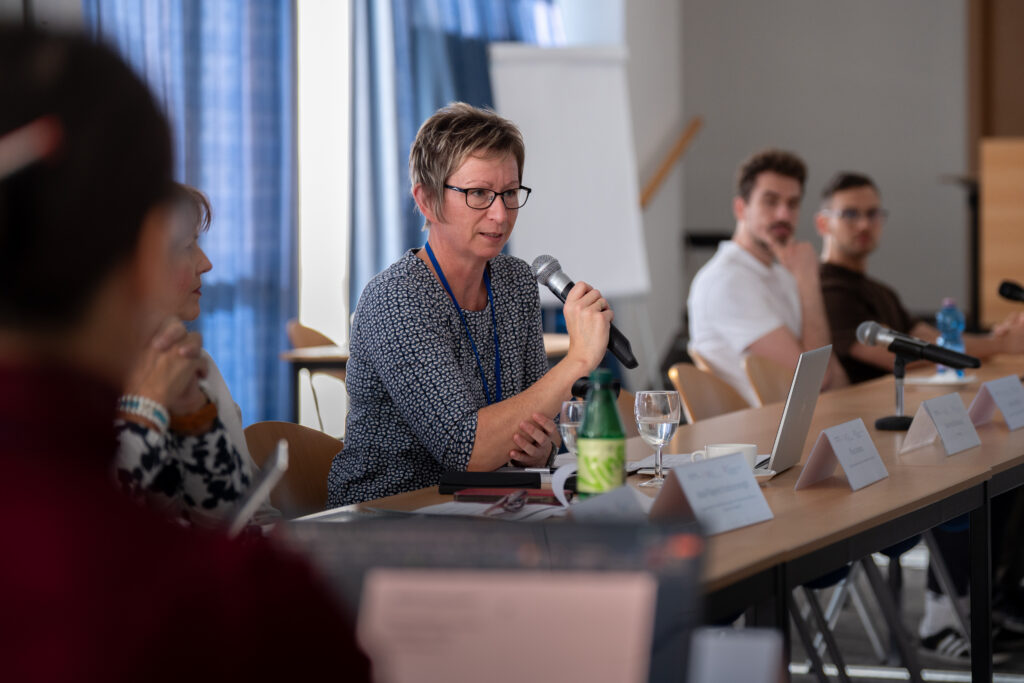
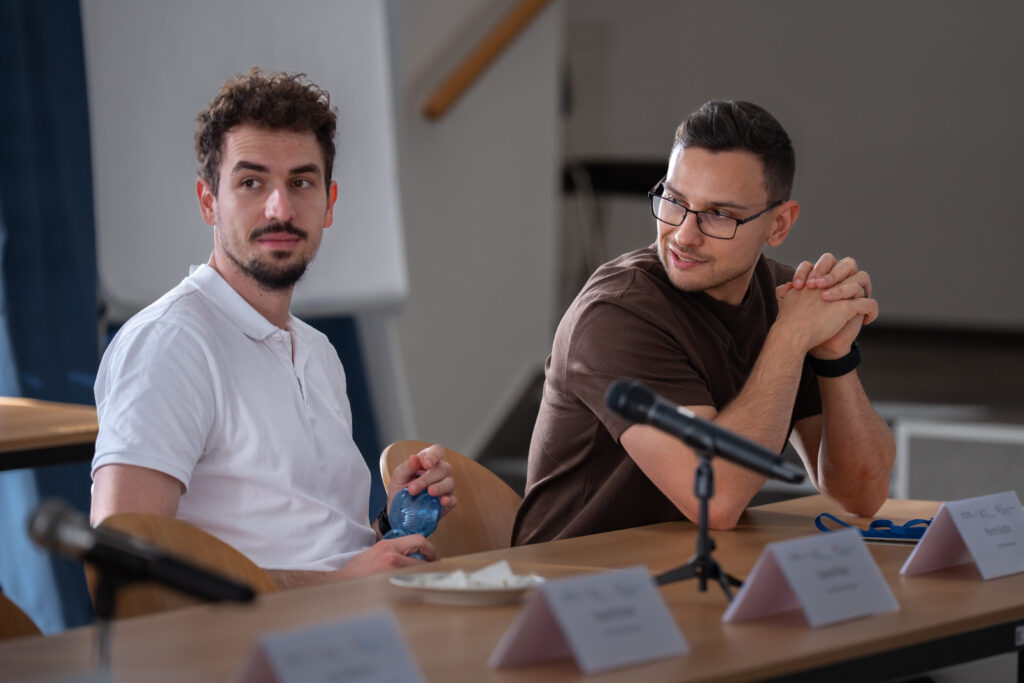
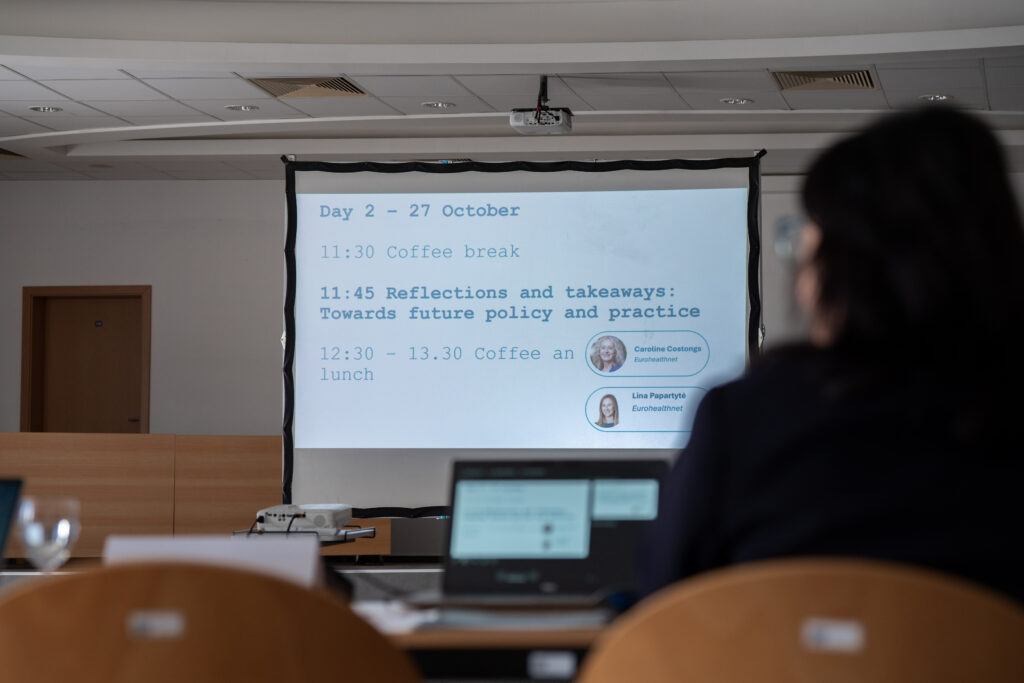
On 26–27 October 2026, the EuroHealthNet Country Exchange Visit took place in Bratislava, focusing on promoting physical activity and preventing obesity through integrated and multisectoral approaches. The event was organised by the Ministry of Health of the Slovak Republic, the Ministry of Investments, Regional Development and Informatisation of the Slovak Republic, and the Bratislava Self-Governing Region, with the support of EuroHealthNet under the Swiss-Slovak Health Programme.
This visit marked the first time Slovakia had hosted an international expert Country Visit within the European EuroHealthNet network. The event brought together international experts and Slovak professionals working in public health, disease prevention and health promotion. Its main objective was to exchange knowledge and experience on integrated approaches to health promotion, physical activity and obesity prevention.
The visit was attended by 13 international representatives of the EuroHealthNet network and approximately 20 Slovak participants involved in the Health Programme. Experts from Wales, Bosnia and Herzegovina, Scotland, Belgium, Latvia, Germany and Finland shared their experience and perspectives.
EuroHealthNet is a non-profit European partnership of organisations, institutes and public authorities working in public health, disease prevention, health and well-being promotion, and the reduction of health inequalities. Its members include national and regional institutions, academic and research centres, as well as government departments and public authorities. Its activities also include regular annual Country Visits, each hosted by a different member country, providing opportunities for mutual learning, cooperation and the exchange of good practices.
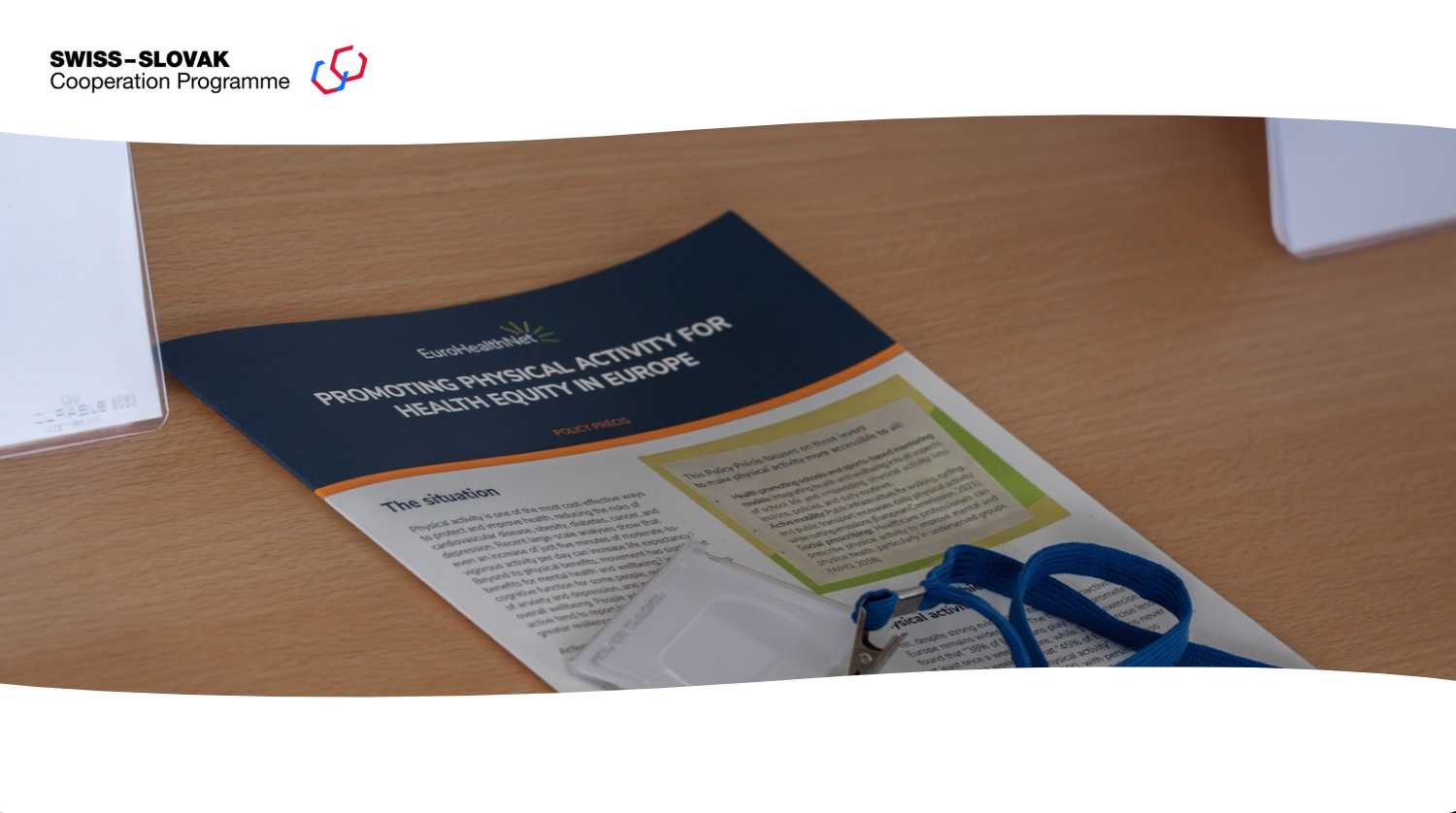
This year’s meeting in Slovakia was aligned with current European initiatives, particularly the EU’s Healthier Together initiative on non-communicable diseases, the EU Safe Hearts Plan, and the planned review of the Council Recommendation on promoting health-enhancing physical activity across sectors.
One of the key topics on the programme was a presentation of the Health Programme and its focus on health promotion and disease prevention. Participants were also introduced to a project implemented by the Bratislava Self-Governing Region and an initiative by the City of Pezinok, both representing examples of a systemic and integrated approach to health. Particular emphasis was placed on linking education, research and community-based interventions, as well as on cooperation between different sectors to create healthier environments.
The programme also included expert visits to the Biomedical Research Centre of the Slovak Academy of Sciences and the Centre of Active Ageing at Comenius University. These visits gave international participants an opportunity to explore practical examples of how scientific research, professional expertise and practical activities can be brought together to promote health and active ageing.
The international Country Visit provided a valuable platform for professional dialogue, knowledge sharing and the development of new partnerships. It also showcased Slovak initiatives and projects that may serve as inspiration for other European countries. A key message of the meeting was that effective disease prevention and health promotion require cross-sectoral cooperation, the integration of professional knowledge into practice and the active involvement of communities.
The project is implemented under the Swiss-Slovak Health Programme.